If you’re planning a trip to Japan, you may be worried about past legal issues causing issues at the border. Though Japan’s immigration controls are strictly enforced, it’s important to note that not all types of criminal records automatically prevent entry.
This post explains Japan’s entry policies for visitors with criminal records, including how they’re enforced at border control and what to expect. This guide clarifies what to expect, so you can be prepared and avoid unnecessary stress before traveling.
Does Japan Ask for Criminal Records When You Enter?
Japan generally does not require travelers to submit a criminal background check as part of the standard entry process.
However, as in many countries, immigration officers have the authority to question all visitors on arrival about their travel plans and other eligibility factors for entry, such as onward return travel tickets.
You’re not required to declare your legal history when you enter. Questions about criminal history are not routine, but if you’re asked directly about this, you must answer honestly.
Can Japanese immigration see my criminal record?
Japanese authorities do not have automatic access to criminal records from every country. Information of this type is usually only available if it’s been previously disclosed, flagged during visa processing, or shared through international cooperation in serious cases.
In most cases, your criminal history will not be visible when your passport is scanned at border control. This is only likely if you have previously been flagged by Japanese authorities, or if you’re subject to an alert from an international agency like Interpol.
When deciding whether to grant entry, border officials primarily assess whether:
- You are likely to respect your permitted length of stay
- Your stated reason for travel is credible
- There are any concerns related to immigration rules or public safety
These decisions are typically based on factors that show you’ll respect the conditions of entry, rather than random background checks of tourists on arrival.
Do you need a police clearance certificate to enter Japan?
For short-term tourism, a police clearance certificate is not required for Japan. Tourists entering visa-free or with a short-term stay visa are not asked to submit criminal background documents.
For long-term stays that require a work or study visa, you may be required to submit paperwork about your criminal history or a police clearance certificate to show that you have no record.
Does Japan Accept Foreign Travelers with a Criminal Record?
Japan does not automatically refuse entry to foreign travelers who have a criminal record. A past offense is only considered if it becomes known during the entry process, and many travelers with minor or historical offenses are admitted without issue.
When a criminal record is taken into account, decisions are made on a case-by-case basis, depending on the nature of the offense, its severity, and how long ago it occurred.
Offenses that are most likely to affect entry to Japan
Under Japan’s immigration exclusion rules, certain criminal convictions are more likely to raise concerns due to public safety considerations. If a serious offense becomes known during immigration screening, it may be grounds for refusal of entry.
Criminal convictions that are more likely to affect accessibility include:
- Drug-related offenses, including possession, use, or trafficking
- Violent crimes involving harm to others
- Human trafficking or involvement in organized crime
- Prison sentences of one year or longer
- Convictions that are recent or part of an ongoing legal process
Each case is assessed individually, and prior travel history to Japan may also be considered. If you’re unsure about your eligibility to enter Japan due to your legal history, your closest Japanese embassy or consulate can provide specific information based on your individual case.
Offenses that usually do not cause issues
Many travelers with minor or old criminal convictions enter Japan without issues. The following types of records typically do not cause problems:
- Minor offenses or misdemeanors
- Traffic violations or monetary fines
- Arrests without conviction
- Convictions from many years ago with no repeat offenses
- Non-serious offenses committed outside Japan
There is no automatic global database check for minor foreign offenses at arrival, meaning non-serious convictions are usually not detected.
Customs Declaration Vs. Immigration Control
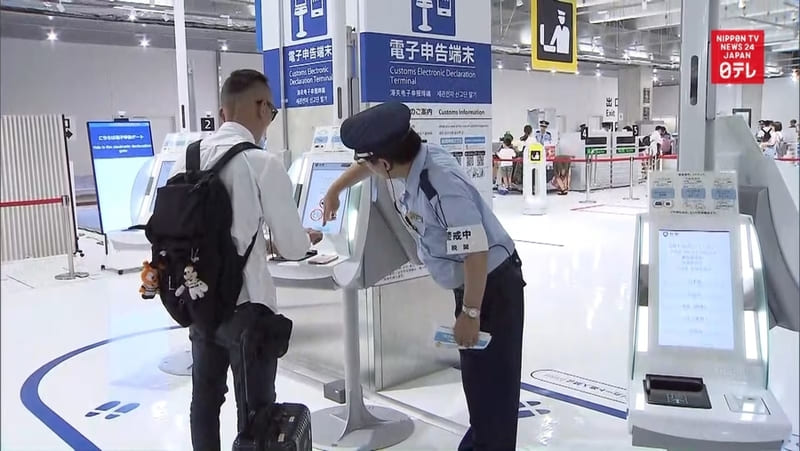
On arrival in Japan, you’ll go through separate customs procedures and immigration screening. These two types of arrival checks serve different purposes and are handled independently by different local authorities.
The customs process, including the mandatory Customs Declaration card, focuses only on what you bring into Japan, including goods, currency, or any restricted items.
- Criminal history is not requested or reviewed as part of this process
Immigration control is where entry decisions are made. Officers assess your purpose of travel, intended length of stay, and whether you comply with other immigration rules.
- In some situations, serious criminal convictions are considered at this stage and can affect the decision on whether you’re granted entry to Japan.
What an immigration officer may ask upon arrival
Immigration officers may ask questions to confirm your eligibility to enter Japan. These questions usually focus on travel intent (how long you’ll stay, and what you’ll do during your stay) rather than legal history. Officials may ask for additional information if concerns come up during inspection, or if your entry has been flagged by authorities. This could include questions about your criminal history if deemed relevant.
Frequently Asked Questions
Can I enter Japan if I was arrested but not convicted?
Toggle faqs
An arrest without a conviction is unlikely to affect entry to Japan, particularly for short-term tourists. Japanese immigration rules tend to focus on convictions rather than detentions.
Being questioned or held without a guilty verdict is generally not considered grounds for entry refusal. Arrests or suspicions of involvement in a crime are relevant only if your passport has been flagged by international authorities.
Does it matter if the offense happened in another country?
Toggle faqs
The location of the offense does matter, but the severity matters more. Minor offenses committed abroad typically do not mean you’ll be denied entry, especially if they occurred years ago.
Serious crimes may still be relevant regardless of where or when they happened, particularly if they fall under Japan’s immigration exclusion rules, which set out who may be denied entry.
Can entry be denied even if I have a valid visa?
Toggle faqs
Yes. Holding a valid visa does not guarantee your entry to Japan. Immigration officers make the final decision when you arrive, after reviewing your documentation and speaking with you.
Does the Japan Customs Declaration ask about my criminal history?
Toggle faqs
No, the Customs Declaration only covers items you bring into Japan. It doesn’t include questions about criminal history, and the information provided is not used to assess your eligibility to enter Japan.